UNIX, Small Tools, and Big Results: Why the Old-School Philosophy Still Wins in 2025
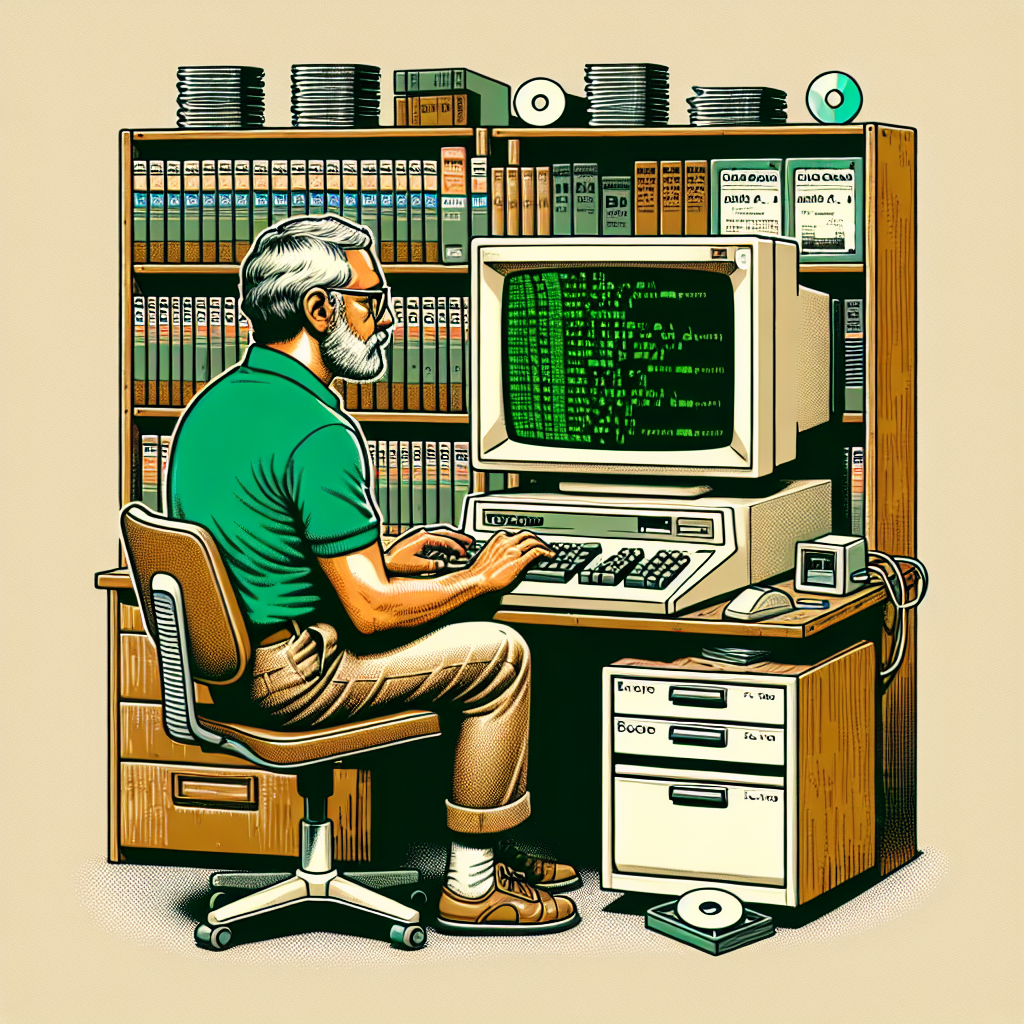
Fifty years after its beginnings, UNIX remains the quiet engine behind modern computing. From cloud build agents to phones to routers, the system’s original ideas—do one thing well, compose programs with pipes, treat text as the universal interface—still solve real problems elegantly. If you’re a developer, analyst, or SRE, sharpening your UNIX habits is one of the highest-leverage moves you can make. This piece distills core practices that keep UNIX relevant—and shows how the same mindset makes even “new” tasks, like handling crypto balances or invoices, feel straightforward from the command line.
The UNIX Philosophy in Three Sentences
- Programs are Lego bricks, not monoliths: build with small, composable tools instead of giant all-in-ones.
- Text is the API: plain text streams travel well—across languages, machines, and decades.
- Pipes are glue: connect specialized tools to form reliable, testable workflows.
Everyday Patterns That Scale
UNIX rewards a few repeatable patterns. Master these, and you’ll get more done with less code:
| Pattern | What It Solves | Typical Tools |
|---|---|---|
| Pipelines | Transforming data step by step without temporary files | cat, grep, sed, awk, jq, tr |
| Idempotent scripts | Safe re-runs in CI/CD and incident recovery | POSIX shell, set -euo pipefail, checks before writes |
| Declarative state | Reproducible environments and servers | Makefiles, containers, infra as code; but the shell ties it together |
| Streaming logs | Real-time debugging and metrics on a tight loop | tail -f, awk/grep, watch |
Shell Safety: Guardrails You Should Turn On Today
Most production-level shell pain comes from sloppy defaults. Adopt these habits:
- Fail loudly: start scripts with
set -euo pipefailto exit on first error, undefined vars, or failed pipe stages. - Quote everything: use
"$var"unless you explicitly need globbing—this prevents space-induced bugs and injections. - Use temporary directories safely: create with
mktemp -d; never hardcode/tmp/myfile. - Prefer absolute paths in cron/systemd: cron has a minimal environment; resolve paths explicitly.
Pipelines That Pay Off
Consider a plain-text CSV of server costs, exchange rates, or invoices. A typical one-liner can validate, filter, and summarize data without leaving the terminal:
# Example: filter rows, sum a column, format
awk -F, 'NR>1 && $3=="PAID" {sum+=$5} END {printf "Total paid: $%.2f\n", sum}' invoices.csv
This “little knife” approach beats opening a spreadsheet for routine checks, and it scales to gigabytes when paired with streaming tools.
Plain Text Meets “New” Domains (Like Crypto)
UNIX’s text-first mindset also fits modern tasks that look exotic but reduce to the same primitives—fetch, parse, transform. For instance, you might export wallet transactions as JSON, then parse, reconcile, or audit them with the same jq | awk pipelines you use for logs. And when you need fresh BTC for testing a micro-payment flow or topping up a service that bills in crypto, you can simply keep finance decisions out of your scripts and handle acquisition separately—some teams prefer aggregator flows where they can buy Bitcoin and then move it into operational wallets they manage with standard UNIX tooling.
Makefiles: The Underrated UX Layer
Teams often rediscover Makefiles after wrestling with long README instructions. A good Makefile offers a human-friendly interface to your UNIX pipeline:
# Makefile (excerpt)
.PHONY: setup lint test ship

setup:
	./scripts/bootstrap.sh

lint:
	sh -c "shellcheck scripts/*.sh || true"

test:
	./scripts/run-tests.sh

ship:
	./scripts/build.sh && ./scripts/deploy.sh
Now your teammates run make ship instead of memorizing five commands. Under the hood, it’s still the same small tools doing one job well.
Monitoring and Incident Hygiene
When things break, UNIX shines because you can observe systems without altering them. A disciplined triage loop might look like:
- Scope quickly:
uptime,top/htop,df -h,free -m. - Trace the fault line: service logs via
journalctl -u svc --since "15 min ago"or app logs withtail -fn 500. - Sample the network:
ss -tulpn,dig/nslookup,curl -v. - Snapshot forensics: copy logs/configs to a timestamped tarball before any fix.
Because these commands are scriptable, your “manual” runbook can become a repeatable diagnostic script in minutes.
UNIX as a Career Moat
Frameworks trend and fade, but UNIX fluency compounds. It lets you debug foreign stacks quickly, glue languages together, and deliver value on machines you’ve never seen before. Employers notice engineers who leave systems cleaner than they found them—especially under pressure. The secret is not wizardry; it’s the discipline of small tools, plain text, and pipelines that you can read, reason about, and automate.
Bottom Line
UNIX is not nostalgia—it’s the shortest path from idea to reliable automation. Keep scripts small, make text your contract, wire tools with pipes, and add guardrails so reruns are safe. Whether you’re wrangling logs, reconciling invoices, or moving funds between wallets, the same principles apply. In a world of complexity, UNIX remains the calm center: simple pieces, carefully connected, doing real work.